42 parijata yoga vedic astrology
en.wikipedia.org › wiki › SuryaSurya - Wikipedia Surya (/ ˈ s uː r j ə /; Sanskrit: सूर्य, IAST: Sūrya) is the sun as well as the solar deity in Hinduism. He is traditionally one of the major five deities in the Smarta tradition, all of whom are considered as equivalent deities in the Panchayatana puja and a means to realise Brahman. en.wikipedia.org › wiki › AyanāṃśaAyanāṃśa - Wikipedia Overview. There are various systems of Ayanamsa that are in use in Hindu astrology (also known as Vedic astrology) such as the Raman Ayanamsa and the Krishnamurthy Ayanamsa, but the Lahiri Ayanamsa, named after its inventor, astronomer N.C. Lahiri, is by far the most prevalent system in India.
en.wikipedia.org › wiki › TrikonasthanasTrikonasthanas - Wikipedia Saravali (Sloka XXXV.95) states that Raja yoga arises in case strong benefics are in the lagna, the 4th and the 7th and the Sun, Mars and Saturn are in the 3rd, 9th and the 11th house. Jataka Parijata (Sloka VII.12) states that the Sun in the 3rd, the Moon in the 9th and Jupiter in the 5th, all vested with strength, make one powerful and very rich.

Parijata yoga vedic astrology
en.wikipedia.org › wiki › Raja_yoga_(Hindu_astrology)Raja yoga (Hindu astrology) - Wikipedia (Source: Jataka Parijata) Viparita Raja yoga: This yoga involves the conjunction of the lords of the evil houses i.e. 3rd, 6th, 8th and 12th, in an evil house or their interchanging of signs with these lords remaining weak in strength.(Source: Bṛhat Parāśara Horāśāstra) Neechabhanga Raja yoga: en.wikipedia.org › wiki › Hindu_units_of_timeHindu units of time - Wikipedia Ayanamsa systems used in Hindu astrology (also known as Vedic astrology) include the Lahiriayanamsa and the Raman ayanamsa. The Fagan-Bradley ayanamsa is an example of an ayanamsa system used in Western sidereal astrology. As of 2020, sun signs calculated using the Sri Yukteswar ayanamsa were around 23 degrees behind tropical sun signs. en.wikipedia.org › wiki › Hindu_astrologyHindu astrology - Wikipedia Jyotisha or Jyotishya (from Sanskrit jyotiṣa, from jyót “light, heavenly body" and ish - from Isvara or God) is the traditional Hindu system of astrology, also known as Hindu astrology, Indian astrology and more recently Vedic astrology. It is one of the six auxiliary disciplines in Hinduism, that is connected with the study of the Vedas.
Parijata yoga vedic astrology. › Introduction_to_Vedic_AstrologyIntroduction to Vedic Astrology - Academia.edu An authority and erudite scholar of Indian Vedic Astrology, Prof. P. S. Sastri has written this classic which combines both ancient wisdom of astrological sages as well as modern scientific discoveries and approaches. This magnum opus of Prof. Sastri is an all inclusive text on Indian Vedic Astrology. A must read for every student of astrology! en.wikipedia.org › wiki › Hindu_astrologyHindu astrology - Wikipedia Jyotisha or Jyotishya (from Sanskrit jyotiṣa, from jyót “light, heavenly body" and ish - from Isvara or God) is the traditional Hindu system of astrology, also known as Hindu astrology, Indian astrology and more recently Vedic astrology. It is one of the six auxiliary disciplines in Hinduism, that is connected with the study of the Vedas. en.wikipedia.org › wiki › Hindu_units_of_timeHindu units of time - Wikipedia Ayanamsa systems used in Hindu astrology (also known as Vedic astrology) include the Lahiriayanamsa and the Raman ayanamsa. The Fagan-Bradley ayanamsa is an example of an ayanamsa system used in Western sidereal astrology. As of 2020, sun signs calculated using the Sri Yukteswar ayanamsa were around 23 degrees behind tropical sun signs. en.wikipedia.org › wiki › Raja_yoga_(Hindu_astrology)Raja yoga (Hindu astrology) - Wikipedia (Source: Jataka Parijata) Viparita Raja yoga: This yoga involves the conjunction of the lords of the evil houses i.e. 3rd, 6th, 8th and 12th, in an evil house or their interchanging of signs with these lords remaining weak in strength.(Source: Bṛhat Parāśara Horāśāstra) Neechabhanga Raja yoga:

House part-16 ( Yogas) | Astronidhi

Sure Shot Ways to Confirm the Presence of Raj Yogas in Your ...

Yogas | Parijaata

Vidhya Mitra - Learn Vedic Astrology Online For Free
Why does the Parijata Raja yoga occur in one's horoscope ...

Mind | Parijaata

Know All About Parijat Yog

The Hari Hara Brahma Yoga. Jataka Parijata 7.162 states that ...
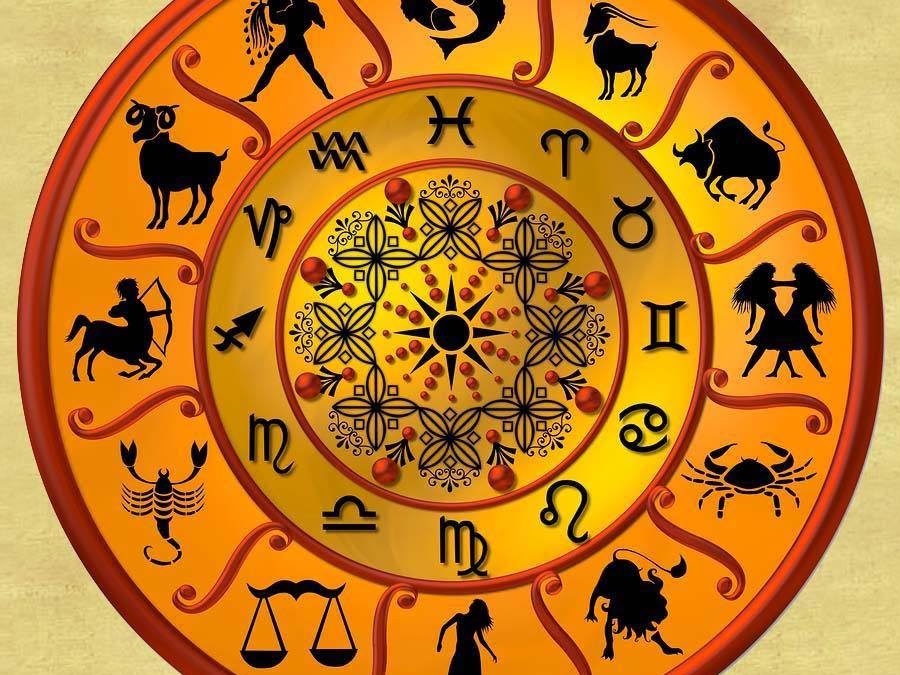
Some of the best yogas mentioned in astrology – Mr. Shivaraj ...

Astrology...Vedic Science: kalpadruma yoga / Parijata Yoga
What is Parijat yoga in astrology? - Quora

Raja yoga (Hindu astrology) - Wikipedia
What is Parijat yoga in astrology? - Quora
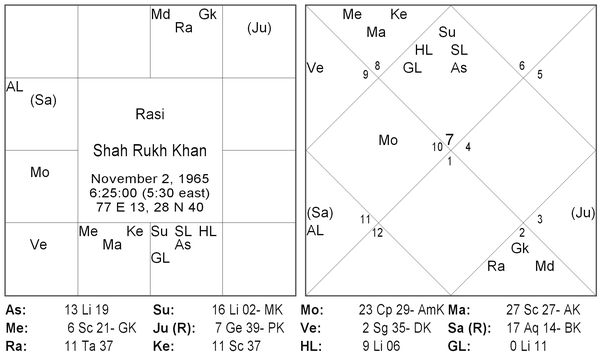
Astrological factors for massive fame | Vedic Astrology ...
Mystery of 8th House in vedic Astrology Part 2 ...

Jātaka pārijata - śloka 8 - Branka Larsen Vedic Astrologer
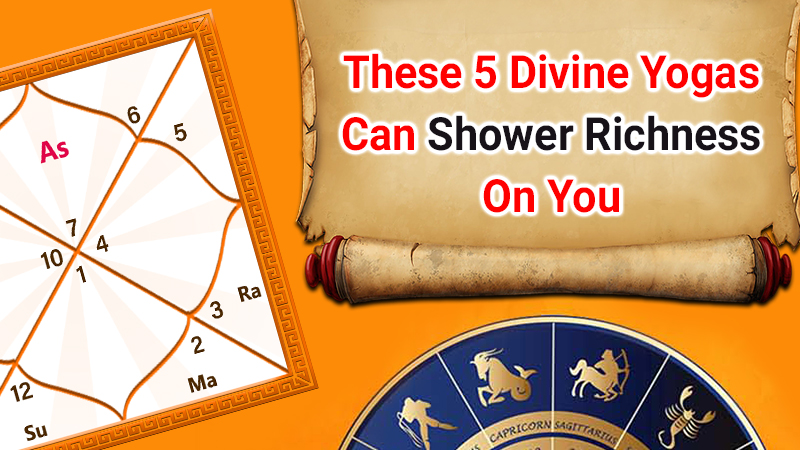
5 Planetary Conjunctions That Can Make You Wealthy

How could you find Parijata yoga in one's horoscope? - Astrofox
What is Parijat yoga in astrology? - Quora
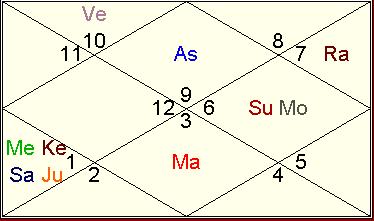
Kalpadruma Yoga

Mind | Parijaata

TRUTHS ABOUT THE SUN SIGNS : Deepen your understanding of Sun signs based on Jyotish classic Jataka Parijata See more
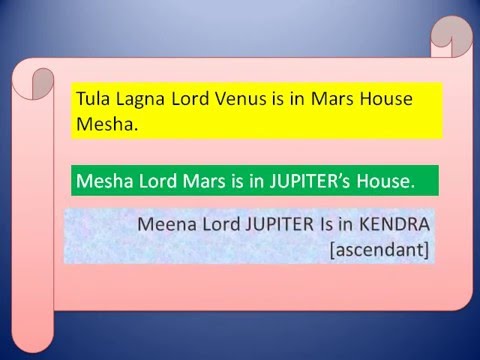
Parijata Yoga Example - YouTube

Astrology...Vedic Science: kalpadruma yoga / Parijata Yoga

PARIJATA YOGA ! HOW IT FORMS AND ITS RESULTS, PARIJATA TREE ...

House part-16 ( Yogas) | Astronidhi

Sure Shot Ways to Confirm the Presence of Raj Yogas in Your ...
What is Parijat yoga in astrology? - Quora
![Hare Rama Krishna] Parijata Yoga - Vedic Astrology (Jyotisha ...](https://www.indiadivine.org/content/uploads/set_resources_7/84c1e40ea0e759e3f1505eb1788ddf3c_default_photo.png)
Hare Rama Krishna] Parijata Yoga - Vedic Astrology (Jyotisha ...

Parijata Yoga in vedic astrology http://panditastrosolutions.com ...

Parijat or Kalpadruma Yoga

What is Parijat yoga in astrology | Peak of success and ...
What is Parijat yoga in astrology? - Quora
What is Parijat yoga in astrology? - Quora
What is Parijat yoga in astrology? - Quora
Ascetic Yogas

Parijat Yoga...the planetary combination for "derived strength".
What is Parijat yoga in astrology? - Quora
What is Parijat yoga in astrology? - Quora

If Shankha Yoga is effective in your horoscope then you can ...

Yogas | Parijaata

Sure Shot Ways to Confirm the Presence of Raj Yogas in Your ...
0 Response to "42 parijata yoga vedic astrology"
Post a Comment