38 sanyasa yoga in astrology
en.wikipedia.org › wiki › Sanyasa_yogaSanyasa yoga - Wikipedia Sanyasa yoga in Hindu astrology are the peculiar planetary situations or combinations seen in certain horoscopes that indicate Sanyasa i.e. renunciation of worldly material life by persons born with those yogas. Sanyasa yogas are also known as Pravrajya yogas en.wikipedia.org › wiki › PushyaPushya - Wikipedia Pushya is a nakshatra in Indian astrology. Some texts refer to it as Tishya, meaning "to look".It corresponds to γ, δ, and θ Cancri in the Cancer (constellation). [citation needed] Pushya is known as Poosam in Tamil and Pooyam in Malayalam.
en.wikipedia.org › wiki › ShravanaShravana - Wikipedia Shravana is the 22nd nakshatra (Devanagari नक्षत्र) or lunar mansion as used in Hindu astronomy, Hindu calendar and Hindu astrology.It belongs to the constellation Makara (Devanagari: मकर), a legendary sea creature resembling a crocodile] or Capricorn.

Sanyasa yoga in astrology
en.wikipedia.org › wiki › Ketu_(mythology)Ketu (mythology) - Wikipedia Ketu (Sanskrit: केतु, IAST: Ketú) is the descending (i.e. 'south') lunar node in Vedic, or Hindu astrology. According to accounts in Hinduism, Ketu belongs to Jaimini Gotra, whereas Rahu is from Paiteenasa gotra; hence the two are entirely different entities with distinct characteristics but nonetheless are two parts of a common body. en.wikipedia.org › Sidereal_and_tropical_astrologySidereal and tropical astrology - Wikipedia Ayanamsa systems used in Hindu astrology (also known as Vedic astrology) include the Lahiri ayanamsa and the Raman ayanamsa. The Fagan-Bradley ayanamsa is an example of an ayanamsa system used in Western sidereal astrology. As of 2020, sun signs calculated using the Sri Yukteswar ayanamsa were around 23 degrees behind tropical sun signs. en.wikipedia.org › wiki › Raja_yoga_(Hindu_astrology)Raja yoga (Hindu astrology) - Wikipedia Basically, the Yoga or Raja yoga-causing planets during the course of their respective dashas confer their most auspicious results if they happen to own the lagna-bhava (the Ascendant) or the Suta-bhava (the 5th house) or the Bhagyasthana (the 9th house); the person remains healthy, wealthy, happy and successful enjoying yoga and Raja yoga ...
Sanyasa yoga in astrology. en.wikipedia.org › wiki › MangalaMangala - Wikipedia Mangala (Sanskrit: मङ्गल, IAST: Maṅgala) is the personification, as well as the name for the planet Mars, in Hindu literature. Also known as Lohita (lit. 'the red one'), he is the celibate deity of anger, aggression, as well as war. en.wikipedia.org › wiki › Raja_yoga_(Hindu_astrology)Raja yoga (Hindu astrology) - Wikipedia Basically, the Yoga or Raja yoga-causing planets during the course of their respective dashas confer their most auspicious results if they happen to own the lagna-bhava (the Ascendant) or the Suta-bhava (the 5th house) or the Bhagyasthana (the 9th house); the person remains healthy, wealthy, happy and successful enjoying yoga and Raja yoga ... en.wikipedia.org › Sidereal_and_tropical_astrologySidereal and tropical astrology - Wikipedia Ayanamsa systems used in Hindu astrology (also known as Vedic astrology) include the Lahiri ayanamsa and the Raman ayanamsa. The Fagan-Bradley ayanamsa is an example of an ayanamsa system used in Western sidereal astrology. As of 2020, sun signs calculated using the Sri Yukteswar ayanamsa were around 23 degrees behind tropical sun signs. en.wikipedia.org › wiki › Ketu_(mythology)Ketu (mythology) - Wikipedia Ketu (Sanskrit: केतु, IAST: Ketú) is the descending (i.e. 'south') lunar node in Vedic, or Hindu astrology. According to accounts in Hinduism, Ketu belongs to Jaimini Gotra, whereas Rahu is from Paiteenasa gotra; hence the two are entirely different entities with distinct characteristics but nonetheless are two parts of a common body.
What is the 'Sanyasa' Yoga or Renunciation Yoga in Astrology

9 Basic Elements of Jyotish Shastra with its significance

What is the role of Sanyasa yoga in astrology?

Astrology and Spirituality - HubPages

Sanyasa Yoga : Yogas causing Asceticism

The Astrological eMagazine [June 2021 issue]

Sanyasa Yoga : Yogas causing Asceticism | Sanyasa Yoga ...
Sanyasa Yoga : Yogas causing Asceticism | Facebook

SANYAS YOGA in Vedic Astrology | SANYAS YOGA | सन्यास योग | SANYAS YOG IN HOROSCOPE

Important yogas in charts of spiritualists Part – 02 ...

Sanyasa Yogam. MS Astrology - Vedic Astrology in Telugu Series.

Namaste Panditji - Yogas for spiritual life in Vedic ...

Astrological Yogas for Spirituality

Sanyasa yoga in horoscope | Sanyasa yoga in kundli | Acharya ...

Introduction to Sanyasa Yoga 1
The Power Of Mantra - Sanyasa yoga in Vedic Astrology ...

Sannyas Yogas: Combinations for Spirituality

The Astrological eMagazine
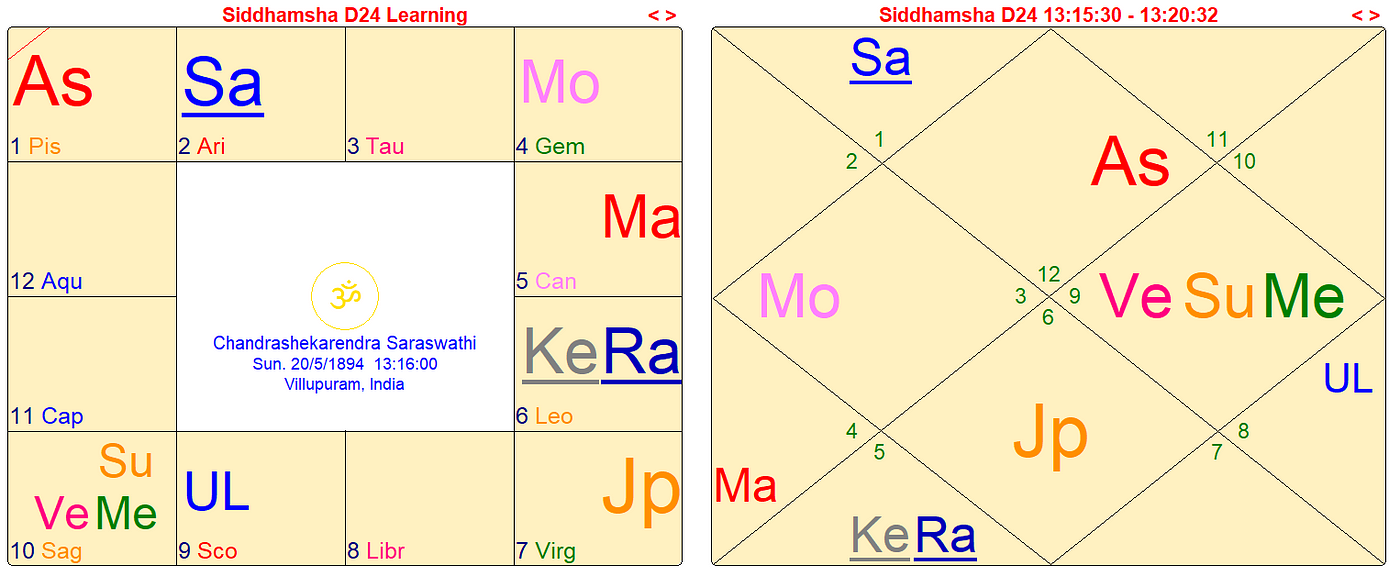
Jagadguru Shri Chandrasekharendra Saraswati — Pravrajya Yoga ...

Astrology...Vedic Science: Pravajya yoga or Sanyasa yoga in ...

What is the 'Sanyasa' Yoga or Renunciation Yoga in Astrology ...
No marriage yoga or denial of marriage in astrology - AstroKuber

Punarphoo Yoga | Yoga, Vedic astrology, Jyotish

SECRETS OF HOROSCOPE
What is the role of Sanyasa yoga in astrology? - Quora

Raja yogas in Vedic Astrology by Phala Deepika – Vedic ...

Yoga (Hindu astrology) - Wikipedia

Sanyasi Yoga | Sanyasa Yoga – Example Chart Analysis Sri Sri ...
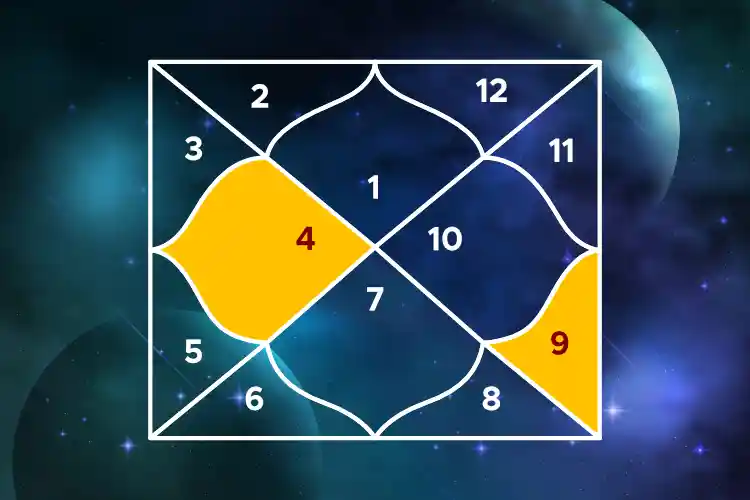
Kahala Yoga in Astrology Meaning & Effects - MyPandit
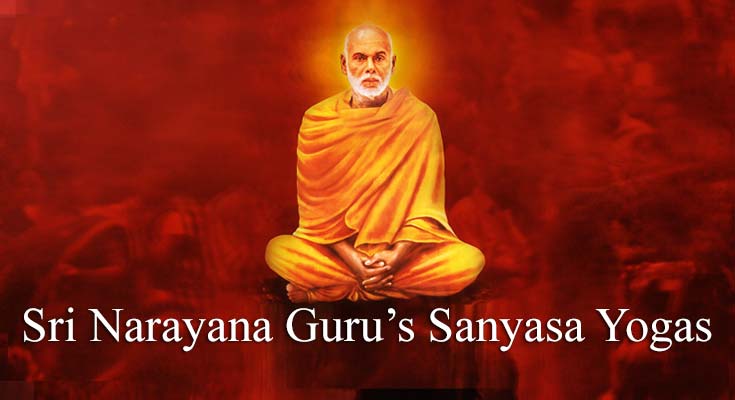
Sri Narayana Guru's Sanyasa Yogas - Vedic Astrology Blog

Sanyasa Yoga : Yogas causing Asceticism - YouTube
Sanyasa Yoga or Pravrajya Yoga - Vedic Astrology Blog

Yogas In Astrology Archives - Astrogospel

18: Moksha Sanyasa Yoga Conclusion- The Perfection of ...
When does a Kundali have a sanyas yoga(Pravrajya Yoga)? - Quora

Importance of Bhava - Vedic Astrology Blog
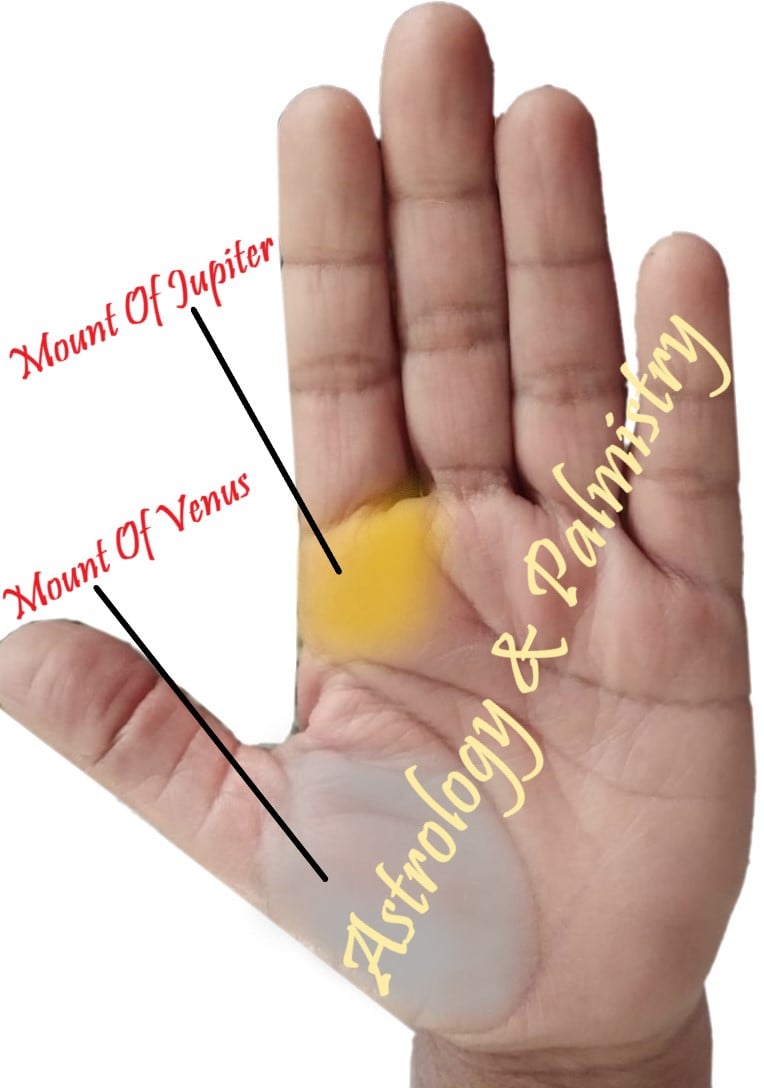
Shhayal Jainn Astrologer & Palmistry Expert - Sanyas Yog Few ...

What is the role of Sanyasa yoga in astrology?
0 Response to "38 sanyasa yoga in astrology"
Post a Comment