44 hindu science of astrology
en.wikipedia.org › wiki › Western_astrologyWestern astrology - Wikipedia Western astrology is the system of astrology most popular in Western countries. Western astrology is historically based on Ptolemy 's Tetrabiblos (2nd century CE), which in turn was a continuation of Hellenistic and ultimately Babylonian traditions. Hindu astrology - Wikipedia Etymology. Jyotisha, states Monier-Williams, is rooted in the word Jyotish, which means light, such as that of the sun or the moon or heavenly body. The term Jyotisha includes the study of astronomy, astrology and the science of timekeeping using the movements of astronomical bodies. It aimed to keep time, maintain calendars, and predict auspicious times for Vedic rituals.
› navagraha-nine-planetsNavagraha – The Nine Planets in Hindu Astrology - TemplePurohit Mar 15, 2019 · The Hindu astronomy whose origin dates back to the time of Vedas is concerned with the placement of nine planets and their influence on the world and on an individual. According to the Hindu astrology, the position of the planets when a person is born determines his potential in life. The nine planets collectively are called Navagrahas.

Hindu science of astrology
Ayurveda - Wikipedia Ayurveda (/ ˌ ɑː j ʊər ˈ v eɪ d ə,-ˈ v iː-/) is an alternative medicine system with historical roots in the Indian subcontinent. The theory and practice of Ayurveda is pseudoscientific. Ayurveda is heavily practiced in India and Nepal, where around 80% of the population report using it. Vedas - Wikipedia The Vedas (/ ˈ v eɪ d ə z /, IAST: veda, Sanskrit: वेदः, lit. 'knowledge') are a large body of religious texts originating in ancient India.Composed in Vedic Sanskrit, the texts constitute the oldest layer of Sanskrit literature and the oldest scriptures of Hinduism.. There are four Vedas: the Rigveda, the Yajurveda, the Samaveda and the Atharvaveda. en.wikipedia.org › wiki › Hindu_astrologyHindu astrology - Wikipedia Etymology. Jyotisha, states Monier-Williams, is rooted in the word Jyotish, which means light, such as that of the sun or the moon or heavenly body. The term Jyotisha includes the study of astronomy, astrology and the science of timekeeping using the movements of astronomical bodies.
Hindu science of astrology. Astrology - Wikipedia Astrology is a range of divinatory practices, recognized as pseudoscientific since the 18th century, that claim to discern information about human affairs and terrestrial events by studying the apparent positions of celestial objects. Different cultures have employed forms of astrology since at least the 2nd millennium BCE, these practices having originated in calendrical … - Astrology, Vedic Astrology, Indian Astrology, Free ... AstroVed.com - No. 1 Vedic Astrology and Remedies Portal provides 2022 Moon sign predictions, Planetary Transit predictions and reports, Indian astrology consultations, astrological and Vedic remedies such as Pooja, Homa, and Yantra for all your life problems. Astrology and science - Wikipedia Astrology provides the quintessential example of a pseudoscience since it has been tested repeatedly and failed all the tests.: 62 Falsifiability. Science and non-science are often distinguished by the criterion of falsifiability.The criterion was first proposed by philosopher of science Karl Popper.To Popper, science does not rely on induction; instead, scientific … AstroVed - Astrology, Vedic Astrology, Indian Astrology, Free … AstroVed.com - No. 1 Vedic Astrology and Remedies Portal provides 2022 Moon sign predictions, Planetary Transit predictions and reports, Indian astrology consultations, astrological and Vedic remedies such as Pooja, Homa, and Yantra for all your life problems.
en.wikipedia.org › wiki › Raja_yoga_(Hindu_astrology)Raja yoga (Hindu astrology) - Wikipedia The term "Raja yoga" is not defined in the texts dealing with Hindu Predictive astrology. All such planetary situations and combinations that indicate good fortune, wealth, comforts, exercise of ruling power and political influence gained, either by way of inheritance or acquired through self-effort, are termed as Raja yogas. Navagraha – The Nine Planets in Hindu Astrology - TemplePurohit 15. maalisk. 2019 · In Hindu Astrology, Navagrahas affects a person’s happiness, success and all-round prosperity. The good and bad, positive and negative influences of each of these nine planets are results of factors like the specific location of the planets on the birth chart, etc. Planets possessing Sattva nature are Jupiter, Sun and Moon. Hindu calendar - Wikipedia The Hindu calendar, Panchanga (Sanskrit: पञ्चाङ्ग) or Panjika is one of various lunisolar calendars that are traditionally used in the Indian subcontinent and Southeast Asia, with further regional variations for social and Hindu religious purposes. They adopt a similar underlying concept for timekeeping based on sidereal year for solar cycle and adjustment of lunar cycles … History of astrology - Wikipedia Astrology was taken up enthusiastically by Islamic scholars following the collapse of Alexandria to the Arabs in the 7th century, and the founding of the Abbasid empire in the 8th century. The second Abbasid caliph, Al Mansur (754–775) founded the city of Baghdad to act as a centre of learning, and included in its design a library-translation centre known as Bayt al-Hikma …
vedicastrologycenter.netVedic Astrology Horoscopes Charts Hindu Astrology Jun 25, 2020 · Just enter your birth information and it will produce a chart for you. Vedic astrology is also called Hindu astrology or Indian astrology. It has a direct correlation with Yoga, Ayurveda (The medical system of India), and it shares the same cultural references to those practices. Main Difference Between Vedic and Western Astrology Western astrology - Wikipedia Western astrology is the system of astrology most popular in Western countries. Western astrology is historically based on Ptolemy's Tetrabiblos (2nd century CE), which in turn was a continuation of Hellenistic and ultimately Babylonian traditions.. Western astrology is largely horoscopic, that is, it is a form of divination based on the construction of a horoscope for an … en.wikipedia.org › wiki › Indo-Aryan_peoplesIndo-Aryan peoples - Wikipedia Indo-Aryan peoples are a diverse collection of Indo-European peoples speaking Indo-Aryan languages in the Indian subcontinent.Historically, Aryan were the Indo-European pastoralists who migrated from Central Asia into South Asia and introduced Proto-Indo-Aryan language. en.wikipedia.org › wiki › Hindu_astrologyHindu astrology - Wikipedia Etymology. Jyotisha, states Monier-Williams, is rooted in the word Jyotish, which means light, such as that of the sun or the moon or heavenly body. The term Jyotisha includes the study of astronomy, astrology and the science of timekeeping using the movements of astronomical bodies.
Astrology Books by Self Publishing Authors | Pothi.com
Vedas - Wikipedia The Vedas (/ ˈ v eɪ d ə z /, IAST: veda, Sanskrit: वेदः, lit. 'knowledge') are a large body of religious texts originating in ancient India.Composed in Vedic Sanskrit, the texts constitute the oldest layer of Sanskrit literature and the oldest scriptures of Hinduism.. There are four Vedas: the Rigveda, the Yajurveda, the Samaveda and the Atharvaveda.

Malaysia Hanuman Temples: The Hindu Science : Nadi Astrology ...
Ayurveda - Wikipedia Ayurveda (/ ˌ ɑː j ʊər ˈ v eɪ d ə,-ˈ v iː-/) is an alternative medicine system with historical roots in the Indian subcontinent. The theory and practice of Ayurveda is pseudoscientific. Ayurveda is heavily practiced in India and Nepal, where around 80% of the population report using it.

Hindu Astrology Archives - Astroshala.com

Polar Days and Nights mentioned in Vedas Ibid Sutra | Vedic ...

HOME | atticusandi
What are some scientific facts contained within Hinduism? - Quora

HINDU BOOK OF ASTROLOGY OR YOGIC KNOWLEDGE OF THE STARS AND ...

Vedic Astrology Expert,Hindu/Indian Astrology,Indian Vedic ...

Difference Between Hindu Astrology And Western Astrology ...

Science and Hinduism: Why SUN and MOON both are considered as ...

Vedic Astrology (Jyotishya) - Sakthi School of Yoga™

The Hindu Book of Astrology: Or Yogic Knowledge of the Stars and Planetary Forces and How to Control Them to Our Advantage (Classic Reprint)

Know Your Hindu Religion: Tamil Astrology
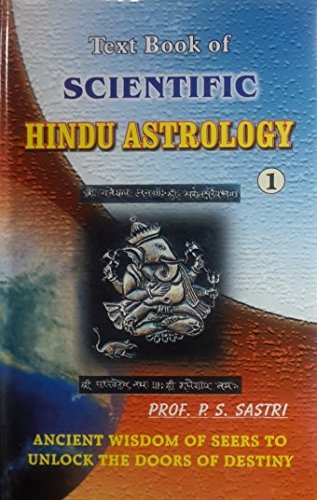
Text Book of Scientific Hindu Astrology: Ancient Wisdom of Seers to Unlock the Doors of Destiny: Volume 1

Astrology - Wikipedia

Scientific Hindu Astrology (Two Volumes Set)
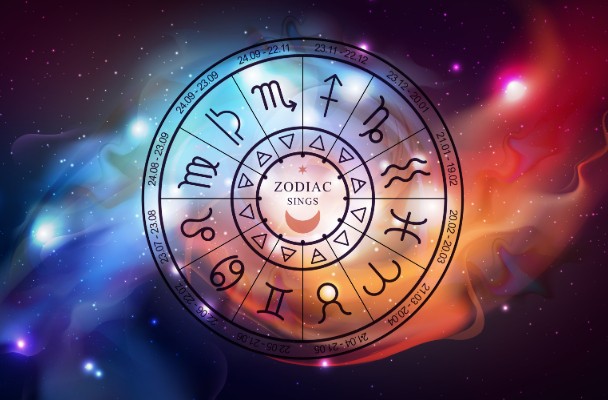
Why is Horoscope Fortune Telling so Popular in Japan?
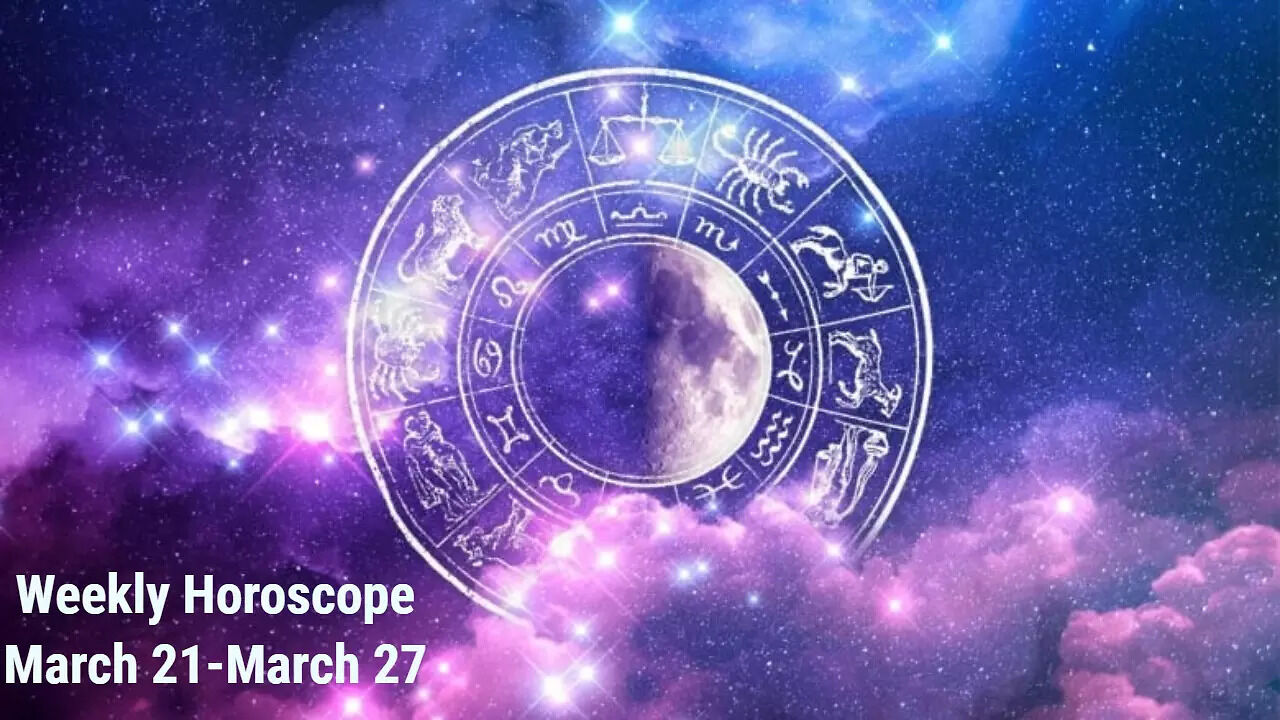
Weekly Horoscope March 21 to March 27, 2022: Beware ...

Unfold various mysteries around it with the help of Hindu ...

buy Astrology and Faith: Acutal Case Studies of Cures through ...

Astrology Books by Self Publishing Authors | Pothi.com

Hindu Astrology: The forgotten science

Hindu Astrology Images – Browse 10,322 Stock Photos, Vectors ...

What Is Vedic Astrology? Vedic Astrology Vs. Western Astrology

These are 5 Good luck 'Yoga' of astrology - Science and Hindu ...
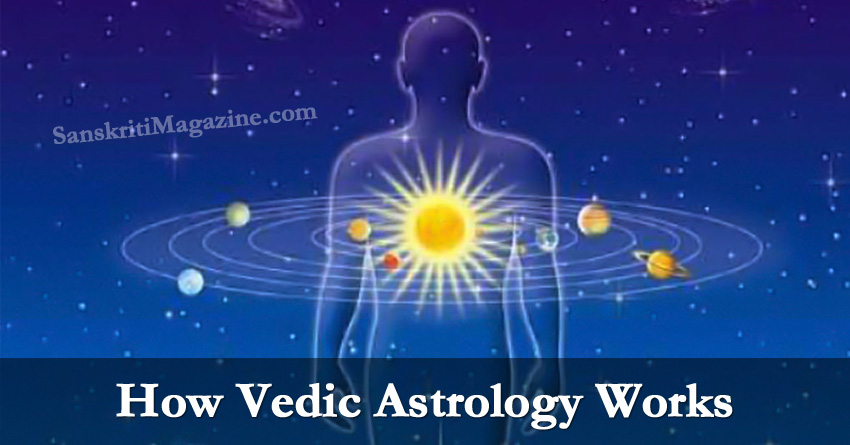
How Jyotish / Vedic Astrology Works – Sanskriti - Hinduism ...

BHASKARACHARYA- THE MATHMATICIAN , ASTROLOGER. | HINDUISM AND ...

Hindu astrology - nine planets - Sun and moon are planets : r ...

How to Match Horoscopes for Marriage: A Scientific Model of ...

Buy Text book of SCIENTIFIC HINDU ASTROLOGY by PROF. P.S. ...

Astrology - Wikipedia

Importance of ancient Vedic Astrology in the contemporary world

Love Horoscopes? Here Are More Astrology Basics - First For Women
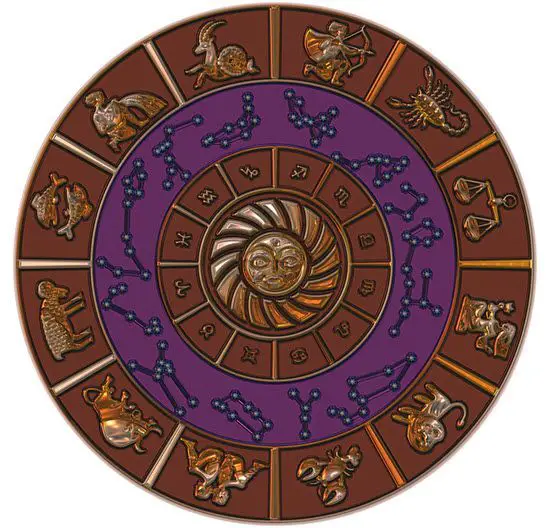
Vedic Astrology: An Ancient Hindu Astrology - HindUtsav

Jyotisha, Hindu Astrology

Sanatan Dharma — A religion based on science | by GKM ...

Vedic Astrology: A Predictive Science – Sanskriti - Hinduism ...
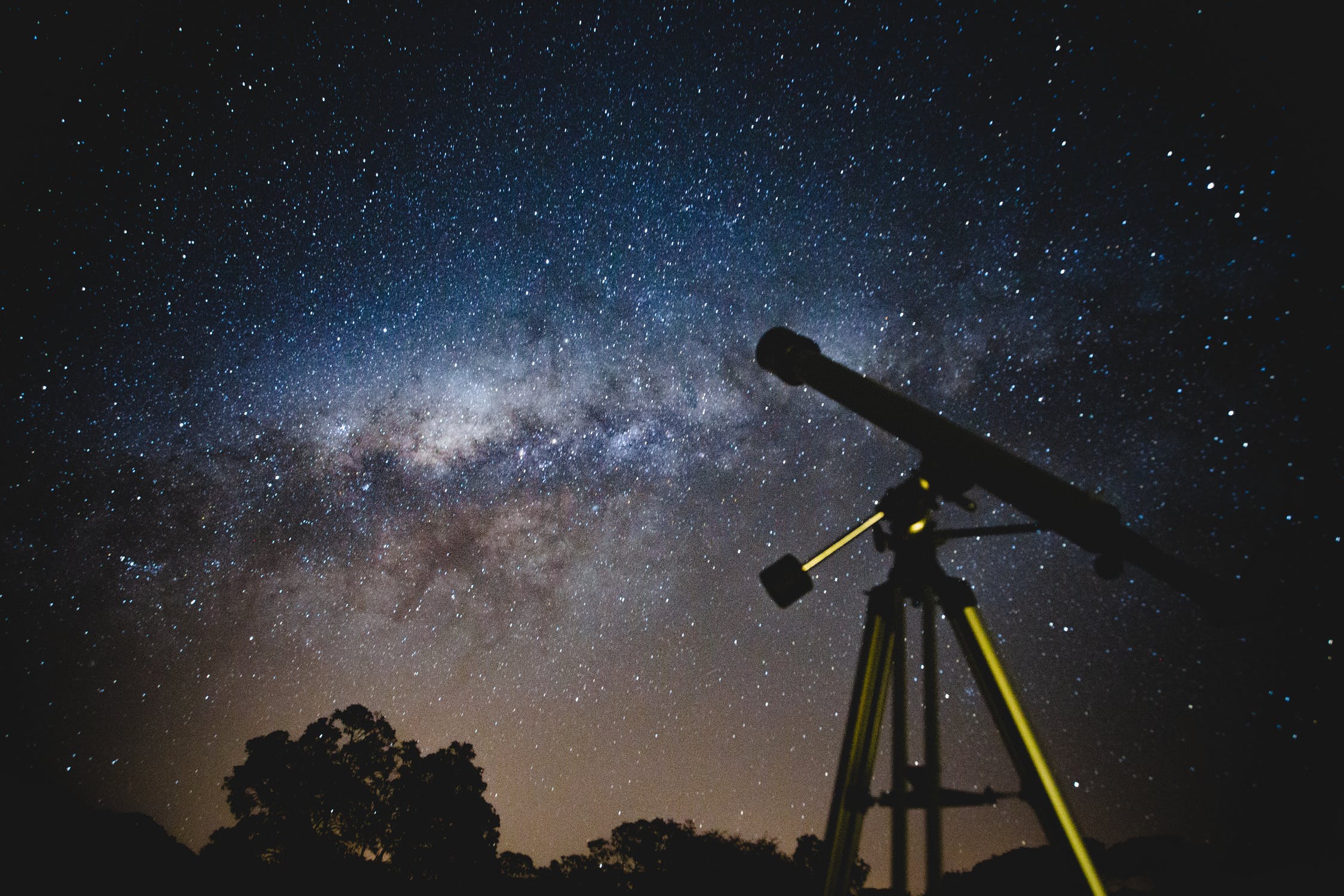
5 things to know about Vedic astrology

Hindu Astrology: The forgotten science

PDF) Scientific Hindu Astrology (Part 2) by Prof. P. S. ...

Astrology in ancient India - Hinduscriptures

Text Book of Scientific Hindu Astrology by Sastri P.S.: New ...

Text Book of Scientific Hindu Astrology (2 Volume Set ...

12 Easy Ways to Know Your Zodiac Sign According to Hindu ...
0 Response to "44 hindu science of astrology"
Post a Comment